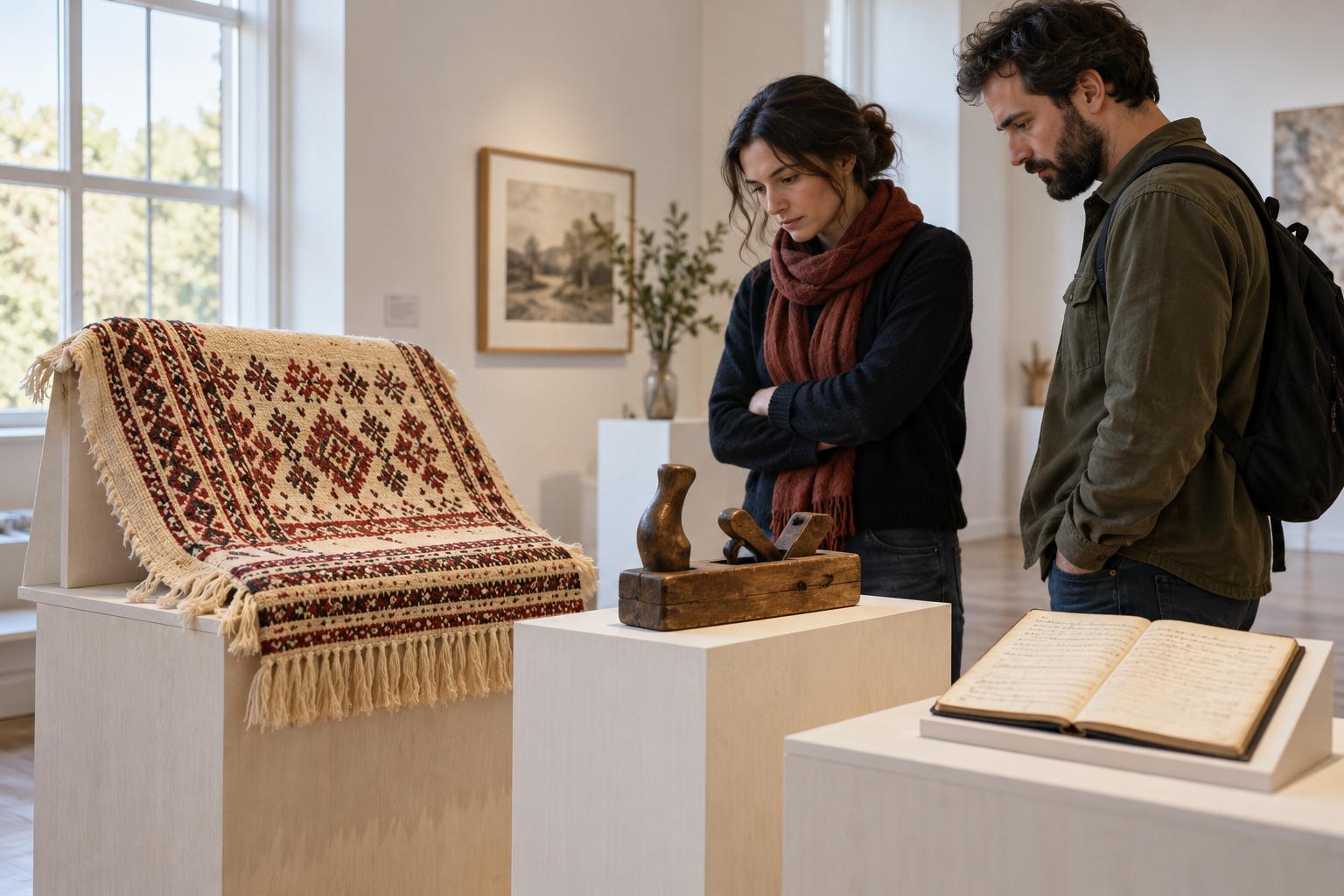
Visitors viewing textiles tools and a notebook in a small exhibition

Organizing a Community Exhibition of Everyday Objects

A community exhibition does not have to begin with expensive artworks or a large venue. Everyday objects can carry stories about work, family, creativity, and belonging. A handmade cloth, a well-used tool, or a carefully kept notebook may invite visitors to notice experiences they would otherwise overlook. The challenge is to present those objects clearly and care for them responsibly.

Give the exhibition a clear focus

Choose a theme narrow enough to guide decisions. Objects connected with family meals, learning a craft, or making a new home can form a coherent exhibition. Explain what you are seeking and let contributors decide whether their possessions fit the idea. Do not pressure someone to lend an item with special personal meaning.

Discuss practical arrangements before accepting loans. Record who owns each object, its condition, the agreed display period, and how it will be returned. Ask about handling, storage, and any restrictions on photography. If the organizers cannot provide appropriate care, consider displaying a photograph or a written account instead.

Keep the scale realistic. A small group of objects with thoughtful labels may be easier to understand than a crowded collection. Check the venue’s available space, access arrangements, and supervision. Assign a person responsible for receiving and returning items so contributors know whom to contact.

Write labels that connect without overclaiming

Ask the contributor to describe the object in their own words. Where did it come from? How was it used? Which memory makes it worth sharing? Select a brief account that answers a few of these questions while keeping the person’s meaning intact. Let them review the label before it is printed.

Separate known information from family recollection. An estimated date should remain approximate, and an uncertain place of origin should be described honestly. Avoid presenting a single object as representative of an entire country, religion, or community. Its particular story is often more useful than a broad claim.

Design the display so labels are easy to read and visitors can move comfortably. Position fragile or valuable objects where they cannot be handled casually. Explain photography rules clearly, including any restrictions that apply to individual items. Permission from a lender should be recorded rather than assumed.

Offer visitors a simple way to respond, such as a question card or a short conversation with a volunteer. Collect names only when there is a clear purpose and agreement. After the exhibition, return each item as arranged and thank contributors. Careful organization makes the display a shared creative project while protecting the trust that allowed it to happen.

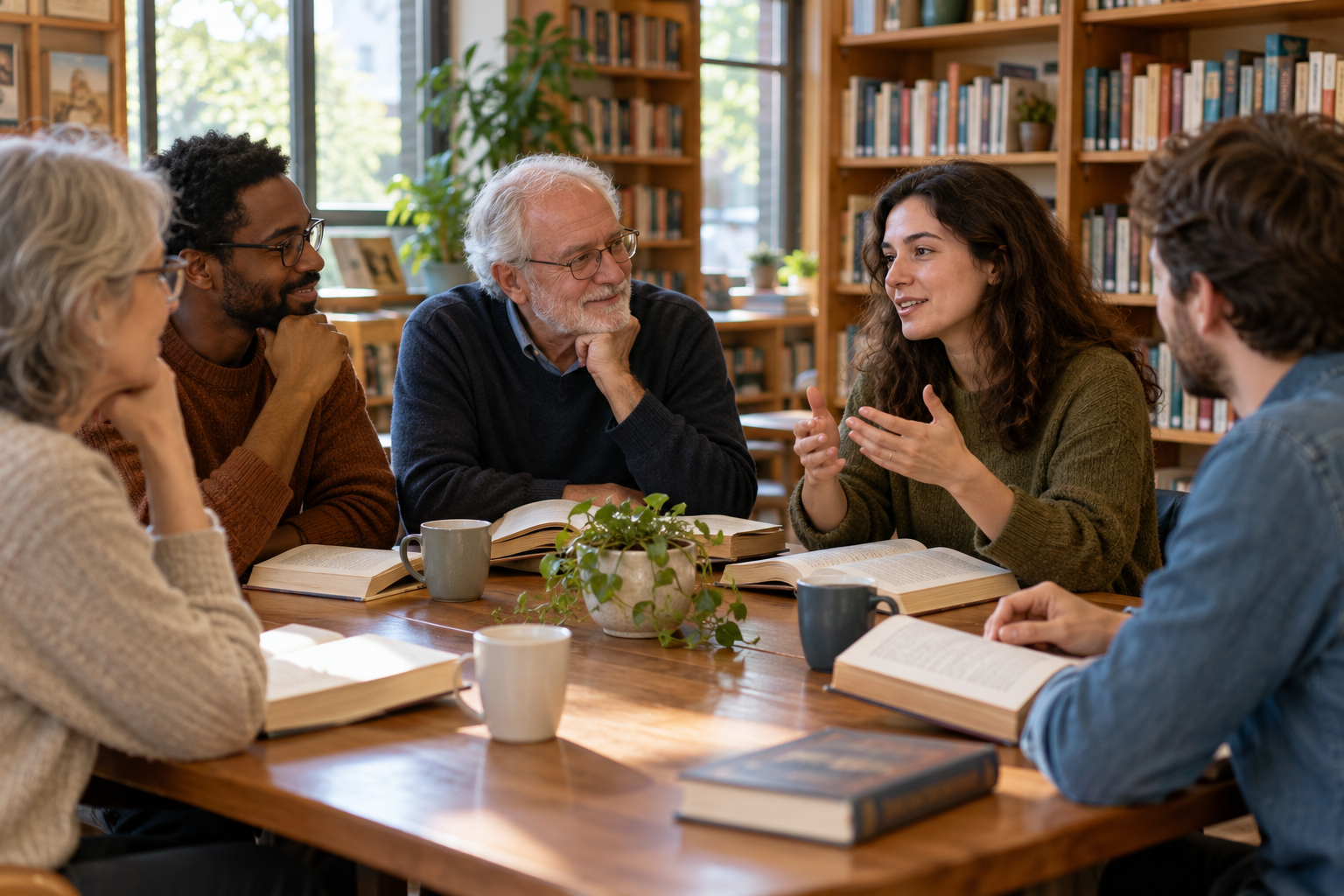
Adults of different generations discussing books in a library

Starting a Small Book Circle Across Generations

A small book circle can bring different generations together around a shared text. Participants do not need the same reading habits, background, or confidence in discussion. What they need is a manageable selection, clear expectations, and enough room to disagree politely. A short story or a few poems can provide a useful beginning without asking everyone to finish a long novel.

Make the first meeting easy to join

Choose the text with the group rather than assuming that one person’s favorite will suit everyone. Consider length, language, availability, and the subjects it raises. Check that participants can obtain a lawful copy in a format they can use. If someone prefers audio or larger print, include that need in the planning.

Give a clear invitation explaining the meeting time, location, and expected reading. Say whether newcomers can attend without finishing the text. A welcoming first session might focus on one passage that can be read together. This keeps the discussion accessible while showing what future meetings will involve.

Agree on a few practical habits. People should be able to finish a thought, pass on a question, and challenge an interpretation without judging the person offering it. Decide whether a facilitator will guide the conversation and whether that role will rotate. Keep the first meeting short enough that another meeting feels possible.

Build discussion from the page

Start with a concrete question about the text. Which detail stayed with you? Where did a character’s choice become understandable or puzzling? Invite participants to point to a passage supporting their view. This gives the conversation a shared reference and reduces the pressure to produce an impressive literary opinion.

Allow connections with personal experience while respecting boundaries. A story may remind someone of family life or a familiar place, but nobody should be expected to reveal private experiences. Do not ask an individual to explain an entire generation or culture. Let people speak for themselves.

Make room for different responses. One reader may enjoy the language while another finds the ending unsatisfying. Explore the reasons before trying to settle on a single verdict. If a factual question arises, write it down and check an appropriate source afterward instead of letting an uncertain claim dominate the discussion.

At the end, choose a next step together. That might be another short text, a different genre, or a change to the meeting time. Ask what made participation comfortable and what could improve. A lasting book circle depends less on perfect agreement than on a routine in which people want to keep reading and listening.

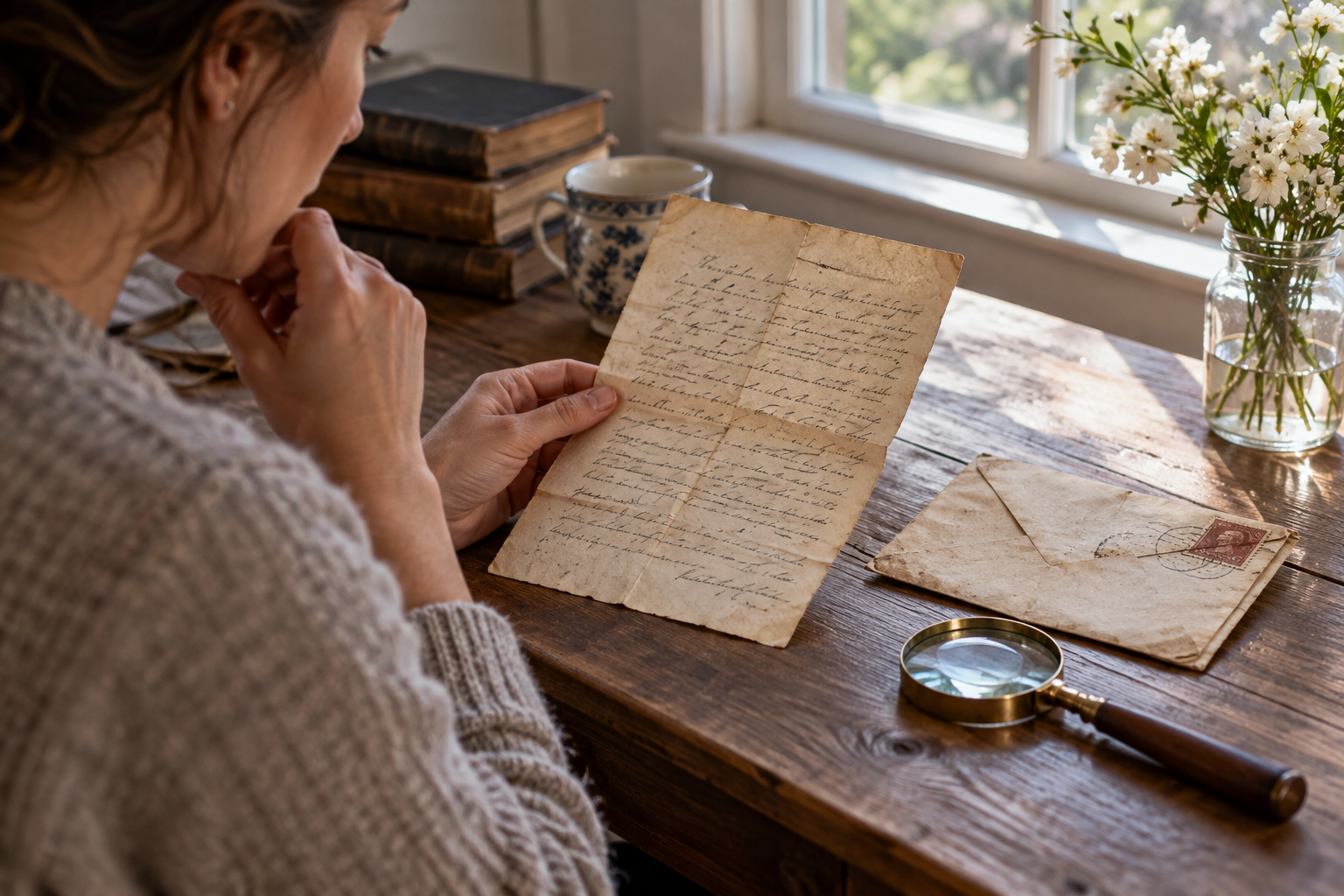
A person studying an old handwritten letter and envelope

Reading an Old Family Letter in Its Own Context

An old family letter offers a glimpse into a particular moment rather than a complete explanation of the past. Its writer may assume that the recipient already knows names, events, and private circumstances. Reading it carefully means paying attention to those gaps as well as to the words on the page. A thoughtful approach can preserve both the document and its uncertainty.

Establish the basic details first

Begin with the information the letter provides directly. Record the date if it is visible, the writer and recipient if they are identified, and any place mentioned. Note whether you are working with an original, a photocopy, or a digital image. Keep the envelope with the letter when possible because it may supply additional context.

Make a transcription that follows the original wording. Mark unclear words rather than replacing them with guesses. If handwriting is difficult to read, compare repeated letters and ask another reader for help. A clean transcription can sit alongside the image so other relatives can check your interpretation.

Treat a translation as a separate version. Idioms, affectionate names, and everyday expressions may not have an exact equivalent. Explain important choices and preserve the original text. If a phrase remains uncertain, say so. Smooth English should not conceal that several interpretations might be possible.

Ask what the writer could reasonably know

Consider the purpose of the message. Was it a practical request, a greeting, a report, or an attempt to reassure someone? A writer might omit problems, exaggerate success, or use a familiar joke. Avoid assuming that every sentence gives a neutral account of events simply because the document is old.

Identify references using other material when available. A photograph, address book, or second letter may clarify who a nickname describes. Keep these connections documented and distinguish them from conclusions based only on inference. One letter should not be used to make sweeping claims about an entire community or historical period.

Respect privacy when deciding what to share. A family document may contain personal concerns about health, relationships, finances, or people who are still living. Discuss publication with those affected where appropriate. Removing names or keeping the document in a private collection may be more suitable than posting the complete image.

Finish with a short contextual note explaining the source, transcription, translation, and unresolved questions. Let other family members contribute without forcing agreement on every detail. Careful reading can bring a voice from the past closer while preserving the distinction between what the letter says and what later readers think it means.

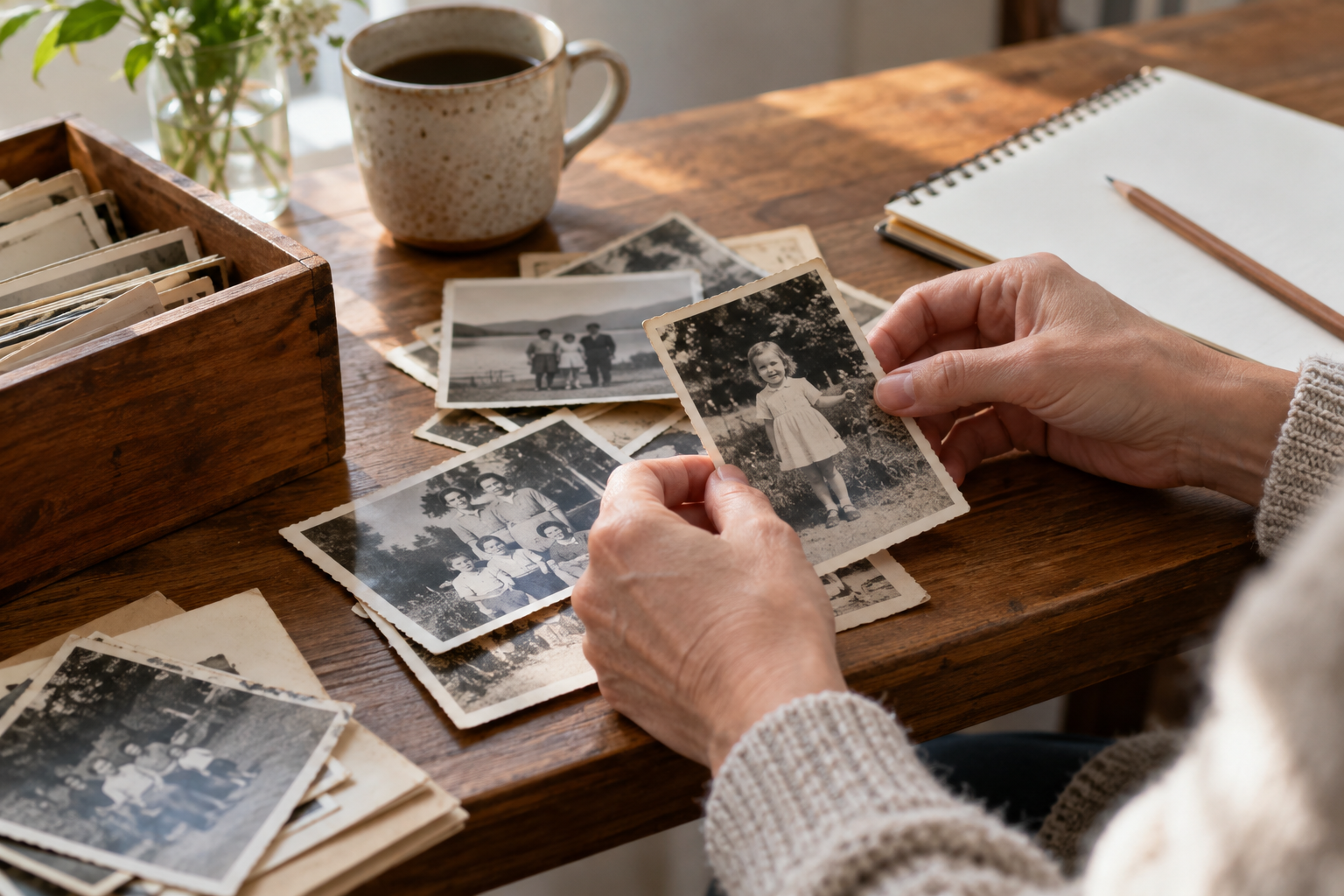
Hands organizing old family photographs beside a notebook

Preserving Family Photographs With Better Labels

A box of family photographs may contain familiar faces alongside people nobody can identify. The images remain meaningful, but their context becomes harder to recover when names, places, and dates are missing. Organizing a small selection with careful labels is a manageable way to preserve information without pretending to solve every uncertainty in the collection.

Start with information you can actually establish

Choose a few photographs rather than opening every album at once. Work on a clean surface and keep the original arrangement where it provides clues. Ask relatives whether the photographs belonged together or were collected from several households. The history of the collection can be useful even when an individual image remains unexplained.

Write down what is visible separately from what someone remembers. A photograph may show three people outside a building; a relative may recall that it was taken after a celebration. Both observations can be recorded, but they have different sources. Note the name of the person providing the memory and the date you spoke with them.

Use honest wording for uncertainty. Approximate dates, possible locations, and unidentified people should remain marked as such. Avoid guessing an exact year from clothing alone. If another photograph or document supports an identification, record the connection so a future reader can understand how you reached it.

Connect images with useful and respectful records

Create a simple inventory with an identifier for each image. Record known names, the likely place, the date or estimated period, the source of the information, and any restrictions on sharing. An identifier can link a digital copy to its description without requiring a long filename containing private family details.

Handle originals carefully and avoid writing across the image surface. When a photograph is damaged or unusually fragile, seek suitable preservation advice before attempting repairs. A digital copy can make viewing easier, but it does not remove the need to keep the original safely. Check that copies are readable and retain a separate backup.

Ask relatives before sharing photographs publicly, especially when images show children, private events, or information people would prefer to keep within the family. Ownership of a physical photograph and permission to publish a person’s image are separate considerations. A private album may be the right destination for some material.

Invite others to add corrections without overwriting earlier notes silently. Recording a changed identification can preserve the reasoning behind it. The aim is a collection that future relatives can understand and improve, with clear information about what is known, what is remembered, and what still needs investigation.

A parent and child reading a book together at home

Creating a Heritage Language Reading Routine at Home

A heritage language reading routine can give a family regular time to enjoy words, stories, and conversation together. It does not need to resemble a formal lesson or depend on fluent reading. The most useful starting point is a short activity that fits the household’s schedule and makes the language feel connected to everyday life rather than to constant correction.

Choose a small and comfortable starting point

Select material that matches the reader’s current ability and interests. A picture book, a short poem, a familiar recipe, or a few lines from a family letter may offer a better beginning than a long book. Ask the child or younger reader to choose between two options so they have a role in the routine.

Set aside a predictable period that is easy to repeat. Ten quiet minutes after a meal may be more practical than an ambitious weekend session. Keep books or printed pages nearby and agree that a busy day can have a shorter version. Consistency should support the family rather than create another source of pressure.

Decide how to share the reading. An adult can read aloud while a child looks at pictures, or participants can alternate sentences. Someone who is not confident with pronunciation can listen to a trusted recording and follow the text. Explain that asking for help is part of reading, not evidence of failure.

Build conversation around the text

Pause to discuss a word that connects with something familiar. A story about a market might lead to the names of foods the family buys. A description of a home might connect with an older relative’s memories. Keep the discussion brief enough that the story still has momentum.

Avoid correcting every sound immediately. Choose one useful word or phrase to practice after reading, and model it patiently. Families may use different regional forms or expressions. Note these differences without presenting one relative’s everyday speech as a mistake. When unsure about a word, consult an appropriate dictionary or language resource together.

Let readers respond in the language they can manage. They might describe a picture, draw a scene, ask a question, or explain the story using more than one language. The goal of the activity should be clear: enjoying the text and building familiarity, with additional skills developing through practice.

Keep a simple record of what the family enjoyed. Revisit favorite pages and invite relatives to suggest material. If an activity consistently causes frustration, make it shorter or choose something easier. A routine is more likely to continue when the people involved feel comfortable returning to it.

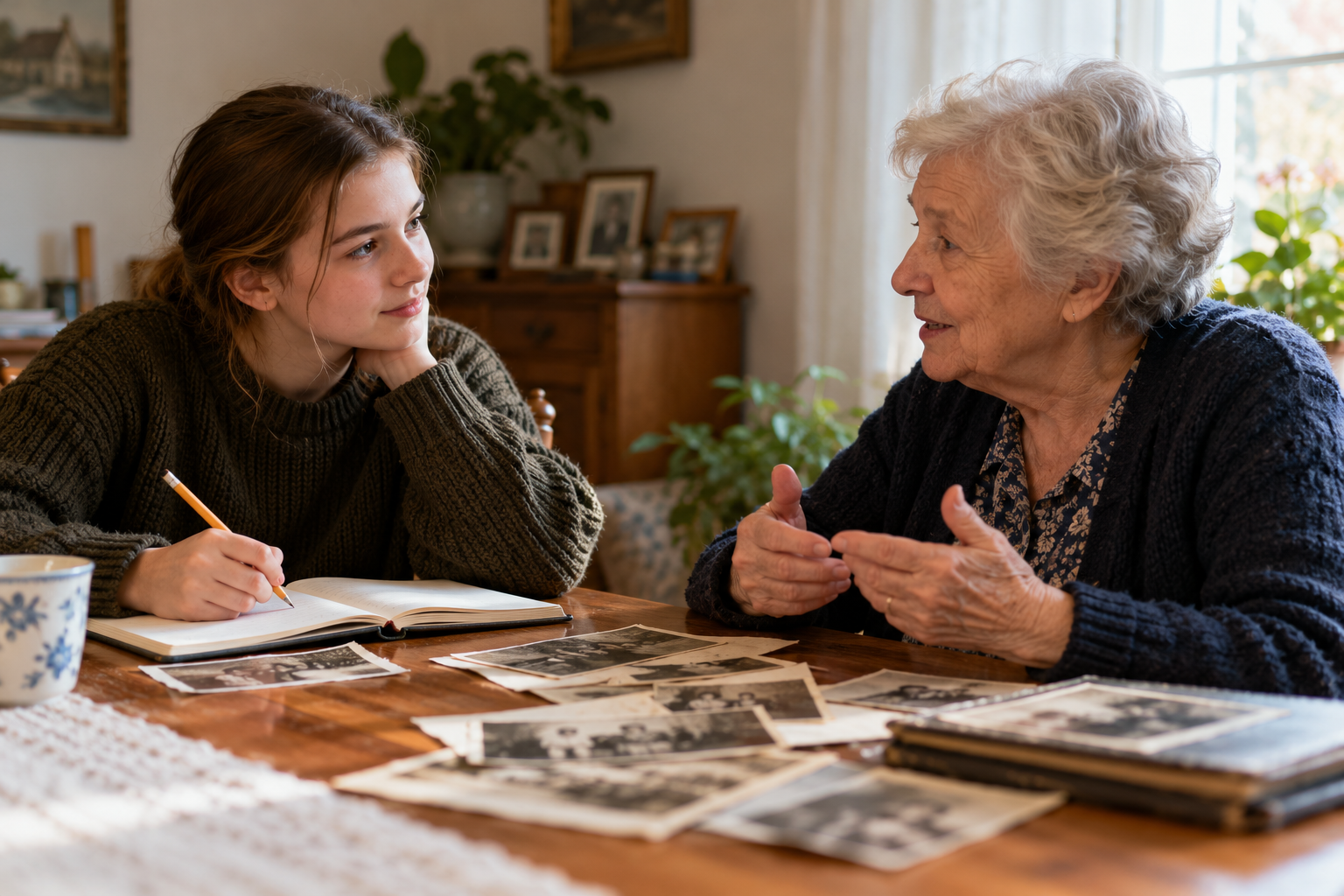
A young person interviewing an older relative with a notebook

Helping Young People Interview Older Relatives

An interview with an older relative can turn family history into a shared learning project. Young people practice listening, asking questions, and organizing information while discovering experiences beyond their own. The conversation works best when it feels like an invitation to remember, with room to pause or change direction, rather than an assignment that must produce a dramatic story.

Prepare questions that invite detail

Agree on a manageable topic before the interview. A school day, a first job, a family celebration, or a familiar street may be easier to discuss than an entire lifetime. Ask the relative what they would enjoy talking about and how long they would like the conversation to last.

Help the young interviewer prepare a few open questions. What did the room look like? Who was usually there? What happened on an ordinary afternoon? Concrete prompts can encourage detail without suggesting a particular answer. Avoid beginning with questions that assume hardship, migration, or conflict. Those subjects should be introduced only when the speaker is comfortable discussing them.

Explain recording choices in advance. A notebook may be enough, or the relative may agree to an audio recording. Ask separately about keeping the recording, sharing it with family, and using it in a school project. Permission for a conversation does not automatically include permission to publish it online.

Turn listening into careful work

During the interview, leave time for answers and resist correcting every small detail. Follow up gently when something is unclear. If a date is uncertain, record that uncertainty instead of inventing an exact year. The interviewer can return to the question later or compare the memory with a document, if the relative agrees.

Encourage breaks and accept topics the speaker prefers to avoid. A useful interview does not depend on collecting painful memories. Ordinary details about meals, games, work, or neighborhood routines can be valuable in their own right. Young people should know that a respectful conversation includes the right not to answer.

Afterward, organize notes into a short account with a beginning, a few connected details, and a closing reflection. Separate direct quotations from summaries. Label photographs with the information available and leave unknown names or dates clearly marked. Do not describe a memory as a verified fact simply because it was told confidently.

Let the relative review the finished work before it is shared. Invite corrections and remove material they do not want included. Thank them for their time and explain what the young person learned. The strongest outcome is both a useful record and a conversation that makes another conversation possible.

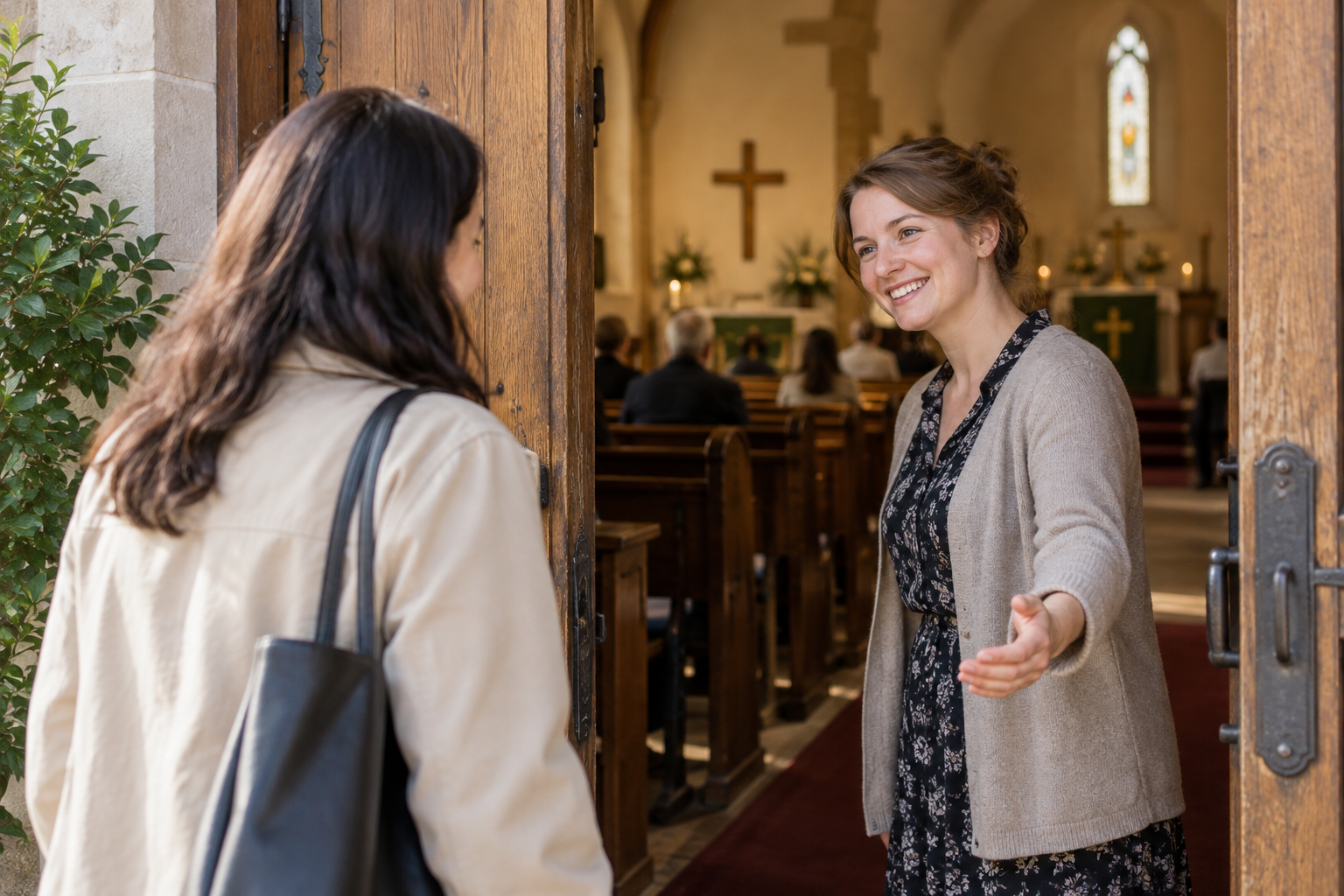
A host welcoming a visitor at a church entrance

Planning a Respectful Visit to an Unfamiliar Place of Worship

Visiting an unfamiliar place of worship can be an opportunity to learn, support a friend, or understand a neighborhood better. It can also raise practical questions about clothing, seating, language, and participation. Careful preparation helps a visitor arrive with respect while recognizing that customs vary between communities and even between individual congregations within the same tradition.

Ask practical questions in advance

Look for information provided by the congregation itself. Check visiting hours, the purpose of the event, and whether guests are welcome at that particular gathering. A public building may still host services or meetings intended for a specific group. If the information is unclear, contact the named office or organizer rather than relying on assumptions.

Ask about clothing and any expectations concerning head coverings or footwear. Follow the guidance of that particular community. Also check accessibility, parking or public transportation, and whether children can attend. Knowing the length of a service can help you plan without leaving unexpectedly during a quiet moment.

Explain your purpose briefly when asking questions. You might be accompanying a friend or attending an open community event. You do not need to give a detailed personal history. If you are researching or writing about the visit, make that intention clear and ask about any rules concerning interviews, photography, or recording.

Observe without assuming participation

On arrival, greet the person welcoming visitors and ask where to sit. Follow clear instructions about movement within the building. When uncertain, pause and ask quietly. A visitor can be respectful without copying an action whose meaning or suitability they do not understand.

Some parts of a service may have participation requirements. Do not assume that a ritual, meal, or ceremonial role is open to every attendee. Ask an appropriate host beforehand, and accept the answer without debate. Remaining seated or observing quietly may be the most suitable choice.

Keep your phone silent and avoid photographs unless permission has been given. Permission to photograph a room does not automatically include permission to photograph people. Children and individuals at prayer deserve particular consideration. Do not post someone’s image or private conversation simply because the event was open to visitors.

Afterward, thank your host and ask questions in a suitable setting. Frame them as requests to understand this community’s practice, rather than demanding that one person speak for an entire religion. If you later describe the visit, distinguish what you observed from what someone explained. Thoughtful preparation and patient listening make a visit more comfortable for both guests and the people receiving them.

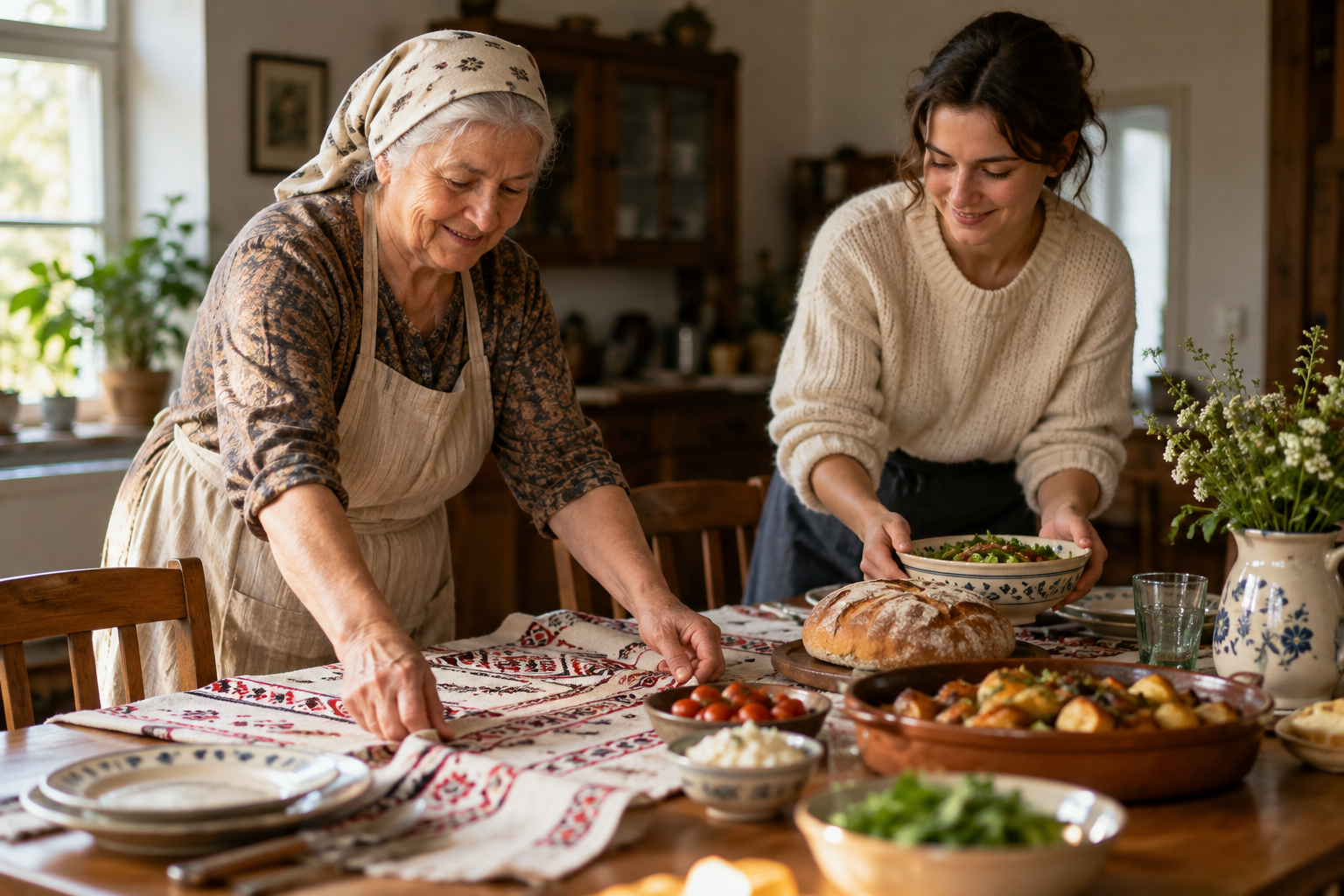
Two generations preparing a family meal together

Sharing Family Traditions Without Turning Them Into a Test

Family traditions can offer a sense of connection across generations. A familiar meal, a song, a holiday visit, or a moment of reflection may carry memories that are difficult to explain in a few words. Yet a custom can lose its warmth when younger relatives feel that participating is a test of loyalty. Sharing the meaning behind a tradition creates more room for curiosity.

Begin with a personal story

Choose one custom and describe how you experienced it. Explain who taught you, what the family did, and which detail you remember most clearly. Personal accounts help listeners understand why something matters without suggesting that every family follows exactly the same practice. Different households may attach different meanings to similar activities.

Separate your own memories from broader claims. Saying that your grandparents prepared a particular dish is more precise than saying that everyone from a country or faith prepares it. If a child asks a question you cannot answer, acknowledge the gap and explore it together. Uncertainty can open a conversation rather than weaken it.

Invite participation through a small task. A younger family member might choose music, help set the table, write a recipe, or ask an older relative about a photograph. Offer choices appropriate to their interests and abilities. Someone who prefers listening should not be forced to perform or explain a practice in front of others.

Leave room for change and difference

Discuss which parts of a custom are meaningful to your family and which are practical details. A gathering may need a different time because relatives work late, or a recipe may need adjustments for ingredients and dietary needs. Explain such changes openly instead of treating every adjustment as a loss.

Respect differences in belief and comfort. Some relatives may approach a tradition as a religious practice, while others connect with its cultural or family meaning. Avoid asking someone to pretend to hold a belief. Clear invitations help people understand what participation involves and decide how they wish to take part.

Create a record only with permission. Ask before recording conversations, photographing a private gathering, or sharing a story online. Let relatives decide whether their names or words should be included. A private family notebook may be more suitable than a public post.

End with an open question: which part would they like to repeat, learn more about, or change? Their answer may reveal a new way to carry a familiar custom forward. Traditions remain living experiences when people can understand them, contribute to them, and connect with them in their own thoughtful ways.

Volunteers preparing chairs and supplies in a community hall

Building a Volunteer Team That Can Keep Going

Community projects often begin with enthusiasm and a small group willing to help. Keeping them going requires more than finding people for the first event. Volunteers need clear responsibilities, realistic commitments, and a way to raise concerns before tiredness becomes frustration. A modest project with dependable support can serve a community better than an ambitious schedule nobody can sustain.

Define a useful and manageable role

Begin with the work itself. Instead of asking for general help, describe a specific task: greeting visitors for one hour, preparing a room, checking a translation, or organizing supplies. Explain who provides guidance and what a successful result looks like. People can make a better decision when they understand the commitment.

Ask volunteers about availability without assuming that free time is unlimited. Work schedules, family responsibilities, transportation, and study all affect participation. Offer different ways to contribute, including occasional tasks and preparation that can happen at home. A person who cannot attend every meeting may still have valuable experience.

Pair new volunteers with someone familiar with the activity. A short written checklist helps both people remember essential steps and reduces dependence on one organizer. Include practical details such as where supplies belong, whom to contact when something goes wrong, and which decisions require approval. Keep personal information available only to people who need it.

Make continuity part of the routine

Use a shared schedule that shows responsibilities clearly, and confirm changes directly with the people affected. Avoid treating silence in a group chat as agreement. Give volunteers enough notice to plan, and make it acceptable to decline a task. Predictability builds trust more effectively than repeated urgent requests.

After an activity, hold a brief review. Ask what worked, what caused confusion, and what should change next time. Focus on the process rather than blaming individuals. Record useful improvements in the checklist so the next team does not have to solve the same problem again.

Appreciation should be specific. Thank someone for the welcome they offered, the careful preparation they completed, or the extra patience they showed. Ask before sharing a volunteer’s photograph or personal story publicly. Recognition should feel comfortable to the person receiving it.

Plan for absences and departures from the beginning. Store instructions where authorized organizers can find them, identify a backup for essential tasks, and hand over responsibilities gradually. When someone leaves, thank them without making them feel guilty. A volunteer team lasts when helping remains a meaningful choice, supported by clear organization and reasonable expectations.

A host welcoming two newcomers to a community gathering

Making a Community Gathering Welcoming to Newcomers

A community gathering can feel familiar to regular visitors and confusing to someone arriving for the first time. People may know each other, share a language, or understand customs that nobody explains aloud. A welcoming event makes those unwritten details easier to understand without asking newcomers to reveal personal information or prove that they belong.

Explain the visit before it begins

Start with an invitation that answers practical questions. Give the date, starting and finishing times, address, entrance instructions, and the name of someone who can answer questions. Explain whether the gathering includes a meal, a discussion, a cultural activity, or a religious service. Visitors should know what they are being invited to attend.

Avoid assuming that everyone drives or can manage stairs. Describe available access information accurately and invite people to ask about their needs privately. If refreshments are offered, list ingredients where possible. A simple explanation of cost, registration, and whether children are welcome can remove uncertainty before it becomes a reason to stay home.

Choose a greeting team rather than leaving hospitality to chance. One person can explain the schedule, another can introduce visitors to a small group, and someone else can help families find a suitable place to sit. Introductions work best when they give people a choice. Some visitors enjoy conversation immediately; others prefer to observe.

Create space for different experiences

Use clear language during announcements. If more than one language is spoken, explain how interpretation or short summaries will work. Do not expect a child or an unprepared guest to translate a sensitive conversation. Sharing a brief written schedule can help people follow the event even when their language skills differ.

Plan at least one activity that does not depend on existing friendships. A shared craft, a conversation about a photograph, or a small practical task gives participants something concrete to do together. Avoid public questions about migration history, finances, or family circumstances. People should decide for themselves what they want to share.

At the end, offer a straightforward way to stay informed. Ask permission before adding anyone to a mailing list or group chat, and explain how often messages are sent. Thank volunteers and visitors alike. A short follow-up question, such as whether the directions were clear, can reveal improvements that organizers might otherwise miss.

Hospitality grows through consistent small actions. Clear information, patient introductions, and respect for privacy help turn a first visit into an experience people may choose to repeat.